Advanced Recycling Technology
Non-Ferrous Metal Separation & Sorting Systems
Enhance Recovery Value – Stabilize Material Quality – Reduce Loss in Scrap Processing Lines.
Why Invest in Non-Ferrous Separation?
In the recycling supply chain, non-ferrous metals such as aluminum, copper, brass, and zinc are high-value groups but are easily lost if only manually sorted or separated based on “intuition”. At an industrial scale, a difference of a few percentage points in purity/recovery can create a massive difference in material sales revenue, operational stability, and processing costs.
Therefore, Non-ferrous metal separation/sorting systems are becoming a key category at:
- Scrap processing & sorting yards for steel mills (shredded, mixed scrap).
- Aluminum/Copper recycling plants, can recycling, packaging materials.
- Industrial waste processing, mixed scrap, WEEE (depending on plant model).
“Anh Minh provides turnkey solutions: Design – Assembly – Installation, focusing on three core values: Recovery Efficiency – Operational Stability – Lifecycle Cost Optimization.“
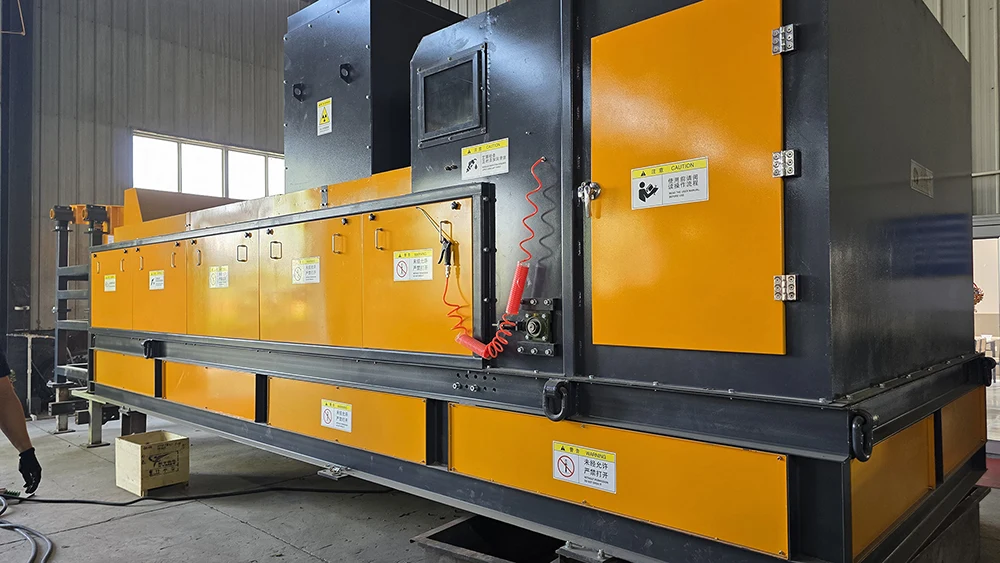
proven Performance
- Real Site Execution
The Challenge: Variability & Complexity
Non-ferrous metals are often “tricky” because input characteristics vary greatly. Without the correct design from the start, businesses face material loss, price deductions due to low purity, and frequent blockages.
Mixed Materials
Complex mix of metals, plastics, rubber, wood, soil, and sand.
Uneven Sizing
Small fragments, thin sheets, thick parts, copper wires—all in one stream.
Cross-Contamination
Aluminum mixed in copper streams, brass mixed in aluminum.
Sticky Impurities
Mud, oil, and scale reduce separation efficiency.
What Constitutes a Complete System?
Depending on material characteristics and output requirements, Anh Minh designs modular systems, suitable for new deployment or retrofitting existing lines.
Pre-processing & Standardization
Goal: “Make material easy to separate”.
- Stable Feeding: Receiving hoppers, heavy-duty conveyors, vibrating feeders.
- Sizing: Screens to classify size, enhancing separation efficiency.
- Density Separation: Air classifier/zig-zag, density tables for light/heavy impurities.
De-ironing (Ferrous Removal)
Mandatory step to protect non-ferrous separators and reduce contamination.
- Overband magnets, drum magnets, magnetic pulleys to remove ferrous first.
Eddy Current Separator (ECS)
The “backbone” for separating non-ferrous group (especially Aluminum) from non-conductive materials.
- Efficiency depends on: particle size, layer stability, belt speed, and cleanliness.
Sensor Sorting (Optional)
For high purity requirements (sorting Al from Cu/Brass). Uses sensors combined with air jets/diverters (depending on budget).
Output Quality Control (QC Loop)
Re-circulation loops for unrefined segments. Belt scales, load monitoring, jam alarms, and safety interlocks. Data collection for operation optimization.
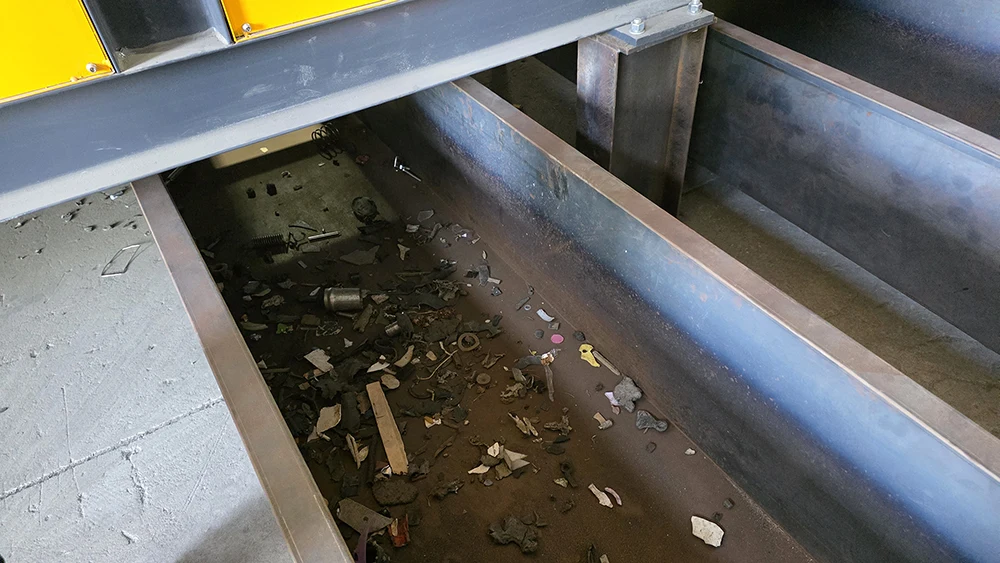
OUTPUT QUALITY
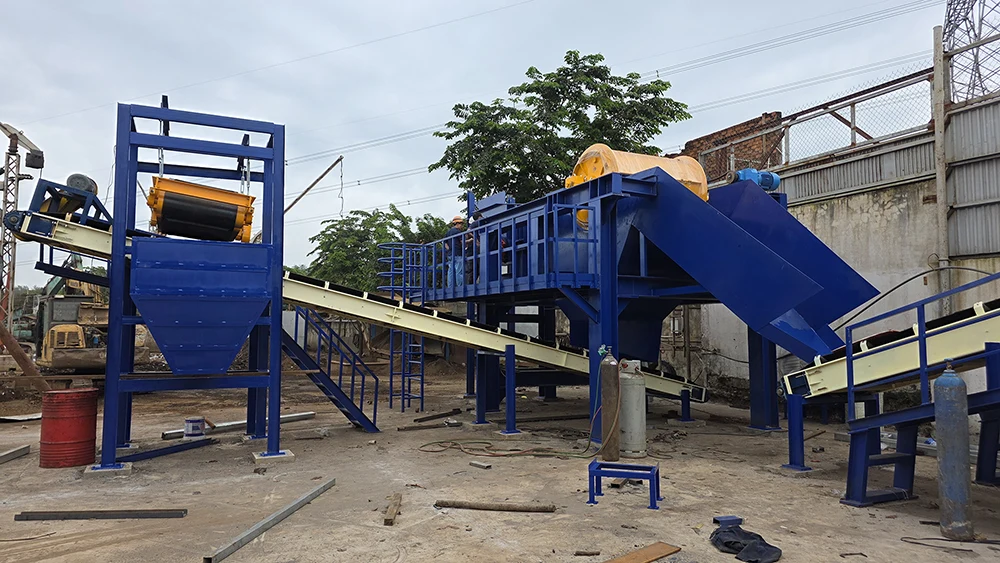
EXPERT INSPECTION
See It In Action
Operational Excellence
Watch our advanced sorting system in full operation. Notice the smooth feeding, precise separation, and robust construction designed for heavy industrial use.
- High Throughput
- Stable Operation
Important Technical KPIs (Measure Right – Invest Right)
A good system doesn’t just “run”—it must be measurable. Anh Minh focuses on these indicators aligned with your business goals (sales grade, metallurgical requirements):
Eliminate harmonics, correct power factor, and stabilize voltage for heavy industries. We protect your critical assets from grid instability with advanced active and passive filtering solutions up to 35kV.
Recovery Rate
% Non-ferrous captured
Purity
% Impurities / Cross-contamination
Capacity
Ton/h per size fraction
Stability
Uptime & Maintenance ease
LCC
Lifecycle Costs (Energy, Wear parts)
Single Technical Focal Point
Depending on material characteristics and output requirements, Anh Minh designs modular systems, suitable for new deployment or retrofitting existing lines.
STEP 01
Survey & Analyze
Material characteristics, impurities ratio, size distribution, bottlenecks.
STEP 02
Propose Config
Select separators, layout conveyors, and drop points based on KPIs.
STEP 03
Design & Integrate
Mechanical/Structural, Electrical/Automation, Safety interlocks.
STEP 04
Install & Test
Run with actual material, fine-tune parameters to hit KPIs.
STEP 05
Accompaniment
Optimization as source changes, maintenance support, upgrades.
We leverage strategic partnerships with international partners to ensure standardized equipment and long-term reliability.
- Is your line losing money daily?
- Visible Al/Cu remaining in the waste stream.
- Sold material frequently downgraded due to impurities.
- System frequently jams, requiring stops to clear.
- Want to increase capacity but fear quality drop.
- Want to switch from manual sorting to automation.
Get a Quick Proposal
To help Anh Minh propose a configuration suited to your Recovery & Purity goals (correct and sufficient, easy to deploy), please provide 3 pieces of information:
01
Main Scrap Type
(Shredded, mixed, cans, wires…)
02
Target Capacity & Goal
(Ton/h, Purity Grade)
03
Layout / Photos
(If retrofitting)
We will propose a system configuration based on KPIs for high recovery, stability, and reasonable cost.